The Project
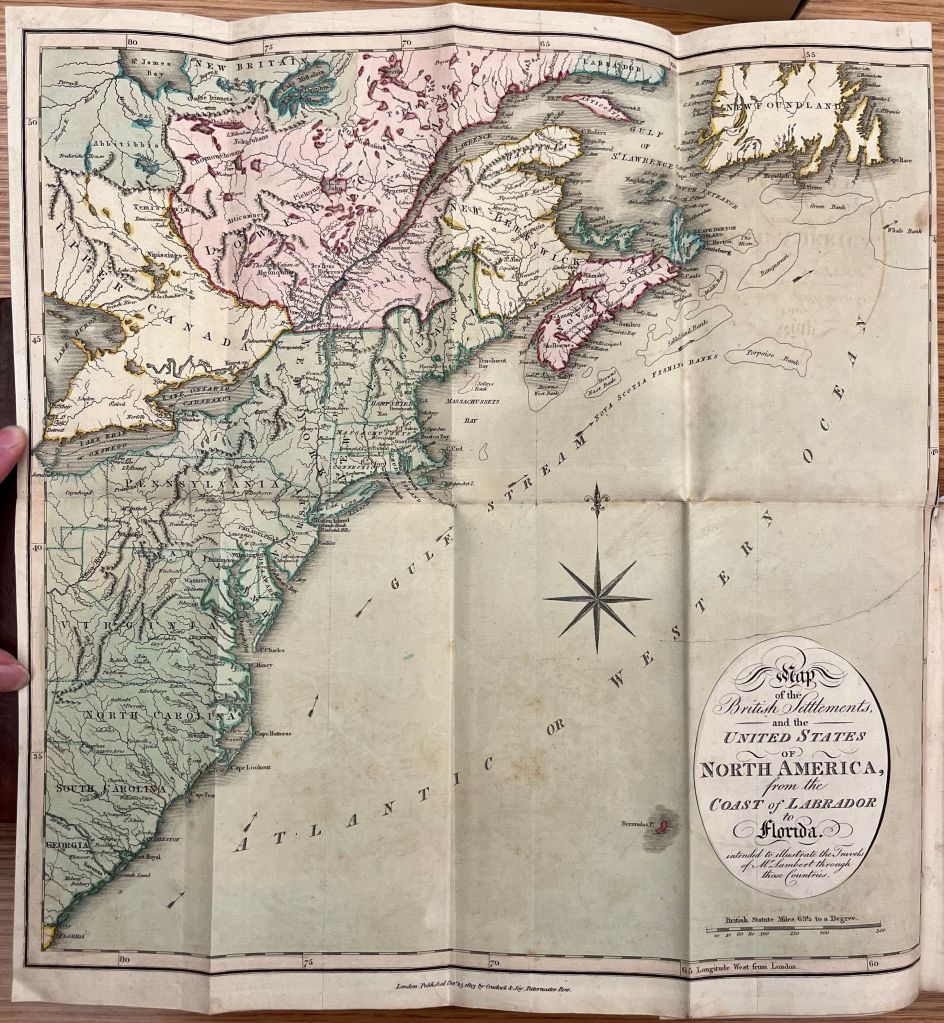
The Daniel and William Constable Papers, held by the Amon Carter Museum of American Art, in Fort Worth, Texas, are one of the historical manuscript collections held by the museum. This is a collaborative project to transcribe the letters and journals of the Constable brothers that they made while on a 17,000 mile journey—including 7,000 miles on foot, through the United States between 1806 and 1808. As primarily travel diaries, the transcribed descriptions of the places they visit will be mapped, so that their journey can be followed—and where possible contextual events and images will be added.
The Brothers
By the end of the 18th century, the Constables had been fixtures in the village of Ley Street (absorbed by modern Horley, Surrey, England) for nearly three hundred years. The family had operated the village flour mill on the Mole River (a river whose name derives from Mulle or Mill). They had prospered and owned several properties in the vicinity. At the beginning of the 19th century, their holdings had largely been consolidated under James Constable(1749–1838)—known locally as “the Old gentleman,” a man of considerable business acumen and independent spirit. He was a freethinker, a dissenter, a radical, and friend of enlightenment luminaries such as Thomas Paine, Thomas Rickman, and poet Percy Bysshe Shelley. His wife Susanna Jordan (1748–1820) descended from the yeomanry. Daniel and William Constable were two of nine children of this successful and well-connected family.
Daniel Constable (1775–1835) was the eldest child of James and Susanna. He was born a year before the American colonies issued their Declaration of Independence. Like his father he was a radical freethinker, with a fondness for Jospeh Priestly and Jean-Jacque Rousseau. Dangerous politics and following the vicissitudes of the American and French revolutions and their results would feature prominently in Daniel’s interests.
He learned the mercantile business at the mill shop—which was similar to a general goods store, and eventually when opportunity arose became a successful independent shopkeeper with his younger brother William. Their shop was a success (Hanningtons is still in business today), and they sold it in 1806 to raise capital for a trip to the fledgling United States to see the American experiment for themselves.
William Constable (1783–1861) was the fifth born of the nine children of James and Susanna— the fourth of seven brothers and two sisters. Although younger than Daniel, he was steadier in his career, apprenticing at fourteen with a family friend as a linen draper, while Daniel was still looking for something permanent.
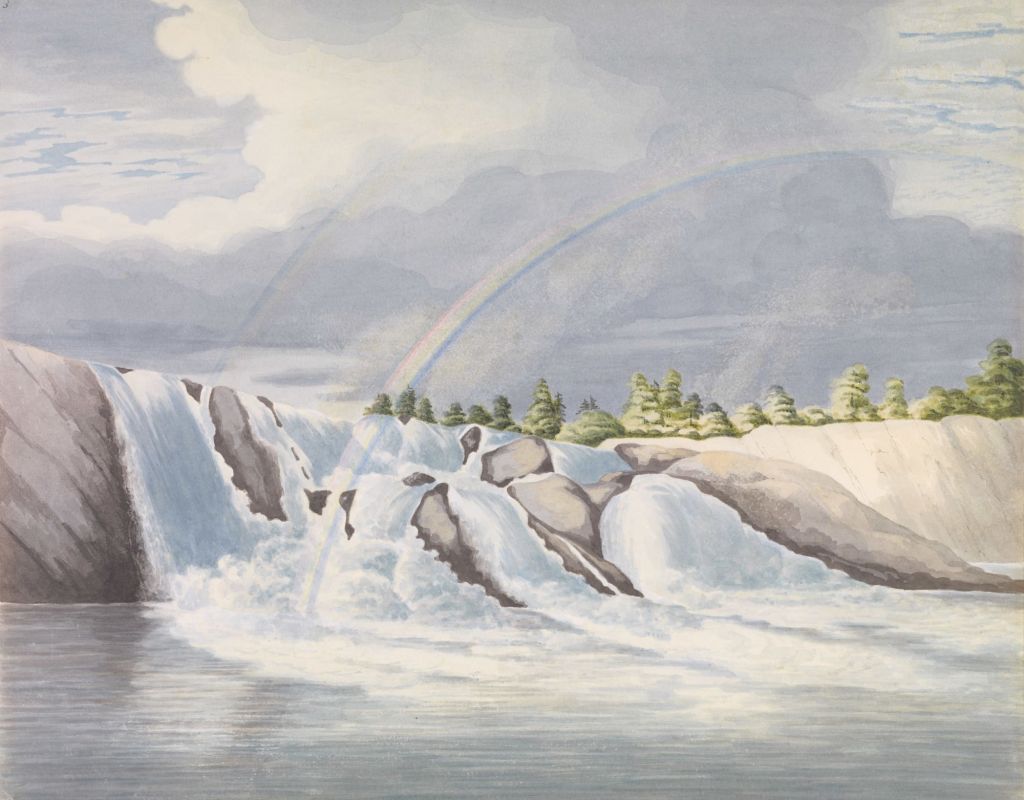
Daniel was a thinker; William was a gifted amateur painter and draftsman, and it is his images that showed what Daniel describes. However, as young men they both enjoyed mischief—William would rig up the shop he and Daniel opened in Brighton with an electrical wire that would lightly shock customers. Both were writers and kept diaries that would describe the great adventure they began in 1806.
The Collection
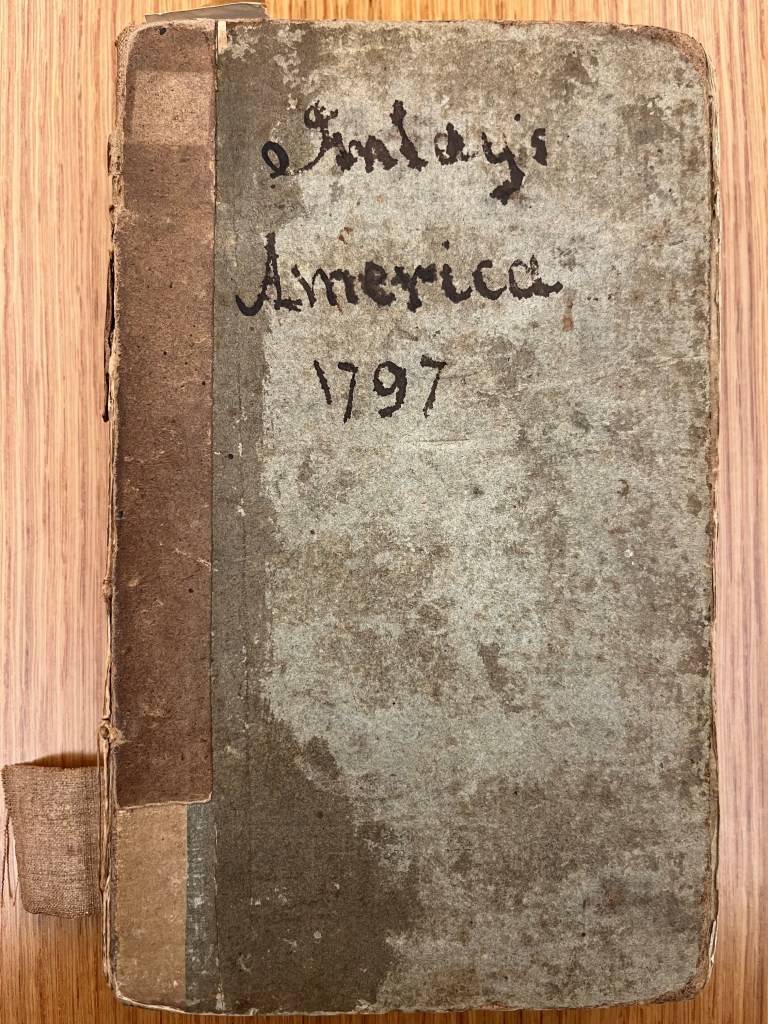
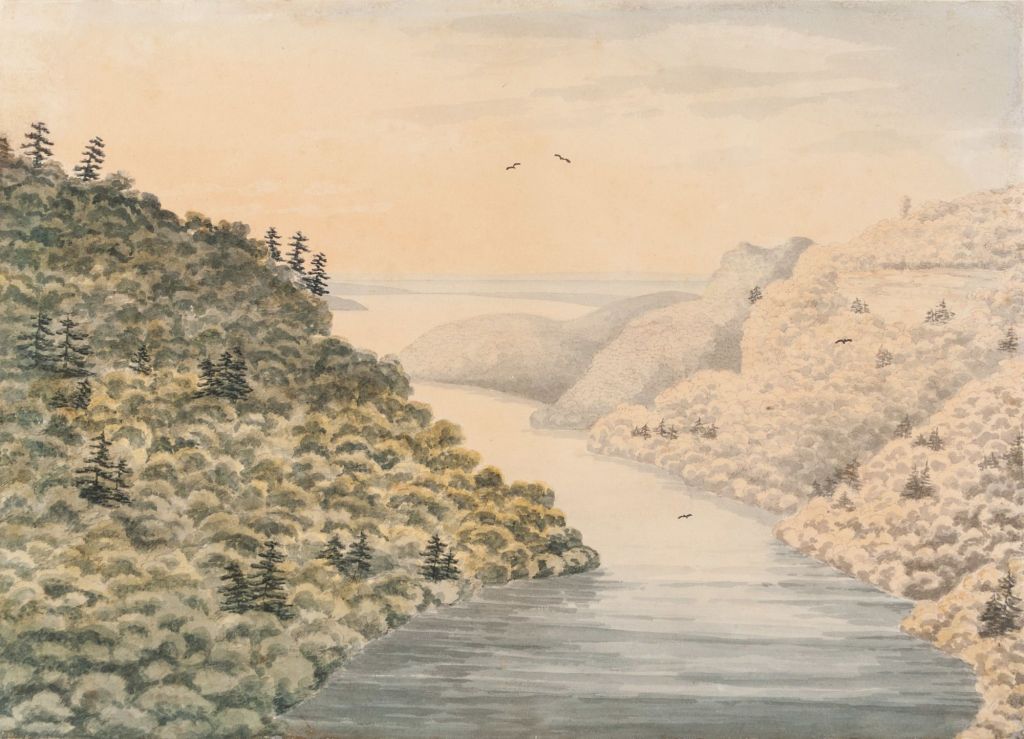
The Daniel and William Constable Papers consists of two letters, two journals by William: 1806, July 1806 to January 1807; three by Daniel: March 1798 to September 1806, September 1806 to June 1807, June 1807 to March 1808; a miscellany book by Thomas Rickman; and Gilbert Imlay’s guide book. The museum also has two original watercolors painted by William: The Great Falls of the Mohawk and View of the Mississippi River above Natchez, 1807.
The Authors
Jonathan Frembling is the Gentling Curator and Head of Archives at the Amon Carter Museum of American Art, Fort Worth Texas. He has been with the museum since 2003, first as the museum’s archivist, and subsequently in 2019 the newly endowed Gentling Curator. The Gentling Curator promotes, through fellowships, exhibitions, and publications, the significant special collections holdings of the Amon Carter Museum, including the archive of Daniel and William Constable.
Candace Carlisle Vilas is a PhD student in History at the University of Texas, Arlington. She studies the History of Cartography and Printing Technology. Her research focuses on the stories that maps can tell beyond documenting the relationship between places in a single moment of time. She examines how individuals and communities have historically navigated their lived experiences through not only physical maps but travel logs and diaries.
 New Eden: A Journey through the Early Republic